

Web Design Melbourne is no longer just about creating a visually appealing digital storefront; it is about engineering a high-performance engine that drives business growth. In an era where the first interaction a customer has with your brand is likely through a screen, the quality of your online presence can determine the trajectory of your success. At Mojo Click, we understand that a website must be more than just a collection of pages; it must be a strategic asset that communicates your brand values, engages your audience, and facilitates seamless conversions.
The digital landscape is more competitive than ever, especially in a bustling economic hub like Victoria. Businesses are constantly vying for attention, and the margin for error is razor-thin. If a website takes too long to load or is difficult to navigate on a mobile device, potential customers will not hesitate to bounce to a competitor. This is where the expertise of Mojo Click becomes invaluable. We specialize in crafting bespoke digital solutions that balance artistic creativity with technical precision.
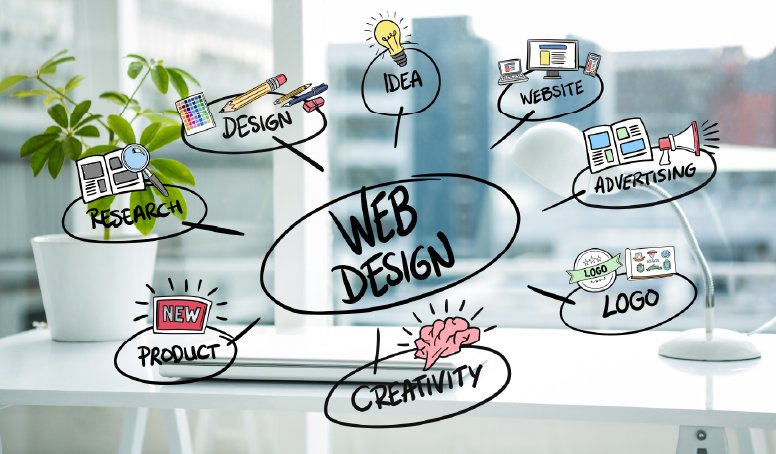
Every successful project starts with a comprehensive understanding of the client’s goals. At Mojo Click, we don’t believe in cookie-cutter templates. We believe in building unique digital identities. When searching for Web Development Melbourne, businesses are looking for a partner who can translate complex business requirements into functional, scalable, and secure web applications.
Our development process is rooted in the latest industry standards. We ensure that the underlying code of your website is clean, optimized, and built to handle future growth. Whether you are a small startup looking to make your mark or an established enterprise seeking a digital overhaul, our team focuses on delivering a robust backend that supports a flawless frontend experience.
User experience is the foundation of current Web design. It encompasses every aspect of the user’s interaction with the company, its services, and its products. A site that looks beautiful but is hard to use will ultimately fail. Our design philosophy at Mojo Click revolves around the “User-First” approach.
This is a common question for many business owners. These terms are commonly used interchangeably, however they describe two different parts of the website construction process.
Web design focuses on the visual and experiential aspects of the site. It involves the layout, color scheme, typography, and overall “feel” of the website. A designer uses tools like Adobe XD or Figma to create the blueprint of how the site will look.
Web development, on the other hand, is the technical implementation of that design. It involves writing the code (HTML, CSS, JavaScript, PHP, etc.) that makes the website function. If the design is the architect’s blueprint, development is the actual construction of the building. At Mojo Click, we provide a holistic approach to Web Design And Website Development Melbourne, ensuring that the creative vision and the technical execution are perfectly aligned.
With more than half of all web traffic coming from mobile devices, a mobile-first approach is no longer optional. Google also uses mobile-first indexing, meaning it primarily uses the mobile version of the content for indexing and ranking.
When Mojo Click designs a website, we start by ensuring the experience is perfect on a smartphone. We then scale that experience up to tablets and desktops. This ensures that no matter how your audience accesses your site, they receive a consistent and high-quality experience. This responsiveness is a key factor in keeping bounce rates low and engagement levels high.
Many people assume that Search Engine Optimization (SEO) is something that happens after a website is built. In reality, SEO starts with the very first line of code. A well-designed website provides a foundation that allows search engines to crawl and index your content efficiently.
By integrating these elements into our Web Design Melbourne services, Mojo Click ensures that your site is not only beautiful but also discoverable.
At Mojo Click, we follow a rigorous multi-stage process to ensure every project meets our high standards:
The digital world is evolving at a breakneck pace. To stay ahead, you need a partner who stays on the pulse of innovation. Mojo Click is committed to delivering excellence through transparency, creativity, and technical expertise. We don’t just make websites, we build relationships.
We understand the local market dynamics. When businesses search for Web Development Melbourne, they are looking for reliability and local expertise. Our team is dedicated to providing personalized service that larger, faceless agencies simply cannot match. We take the time to understand your specific pain points and craft solutions that address them directly.
Absolutely. A website is often your most effective sales tool. It works 24 hours a day, 7 days a week, without ever taking a break. By providing clear information, building trust through professional design, and making the purchasing or inquiry process easy, a website can significantly boost your bottom line.
Through strategic Web Design And Website Development Melbourne, Mojo Click helps businesses automate lead generation and sales processes. Whether it’s an e-commerce platform that processes transactions securely or a service-based site that captures high-quality leads, the ROI of a professionally developed website is undeniable.
Technology never stands still. A website that was “cutting-edge” three years ago might look dated today. At Mojo Click, we build with the future in mind. We use scalable frameworks and content management systems (CMS) that allow you to update your content easily and expand your site’s functionality as your business grows.
We also prioritize security. With the rise in cyber threats, keeping your customer data safe is paramount. Our development team implements the latest security protocols to ensure your site remains a safe environment for your visitors.
In the modern business environment, your website is the heart of your brand. It is where your marketing efforts converge and where your customers make their final decisions. The most critical step on this trip is choosing the correct agency.
Mojo Click is proud to be a leader in the industry, offering unparalleled expertise in the Melbourne region and beyond. We combine the art of design with the science of development to create digital experiences that resonate. If you are ready to elevate your brand, improve your search engine rankings, and provide your users with an experience they won’t forget, we are here to help.
The path to digital transformation is complex, but with the right guidance, it can be the most rewarding investment your business ever makes. We take care of the details while you do what you do best – operating your business. Together, we can create a digital presence that stands the test of time and sets you apart from the competition.